


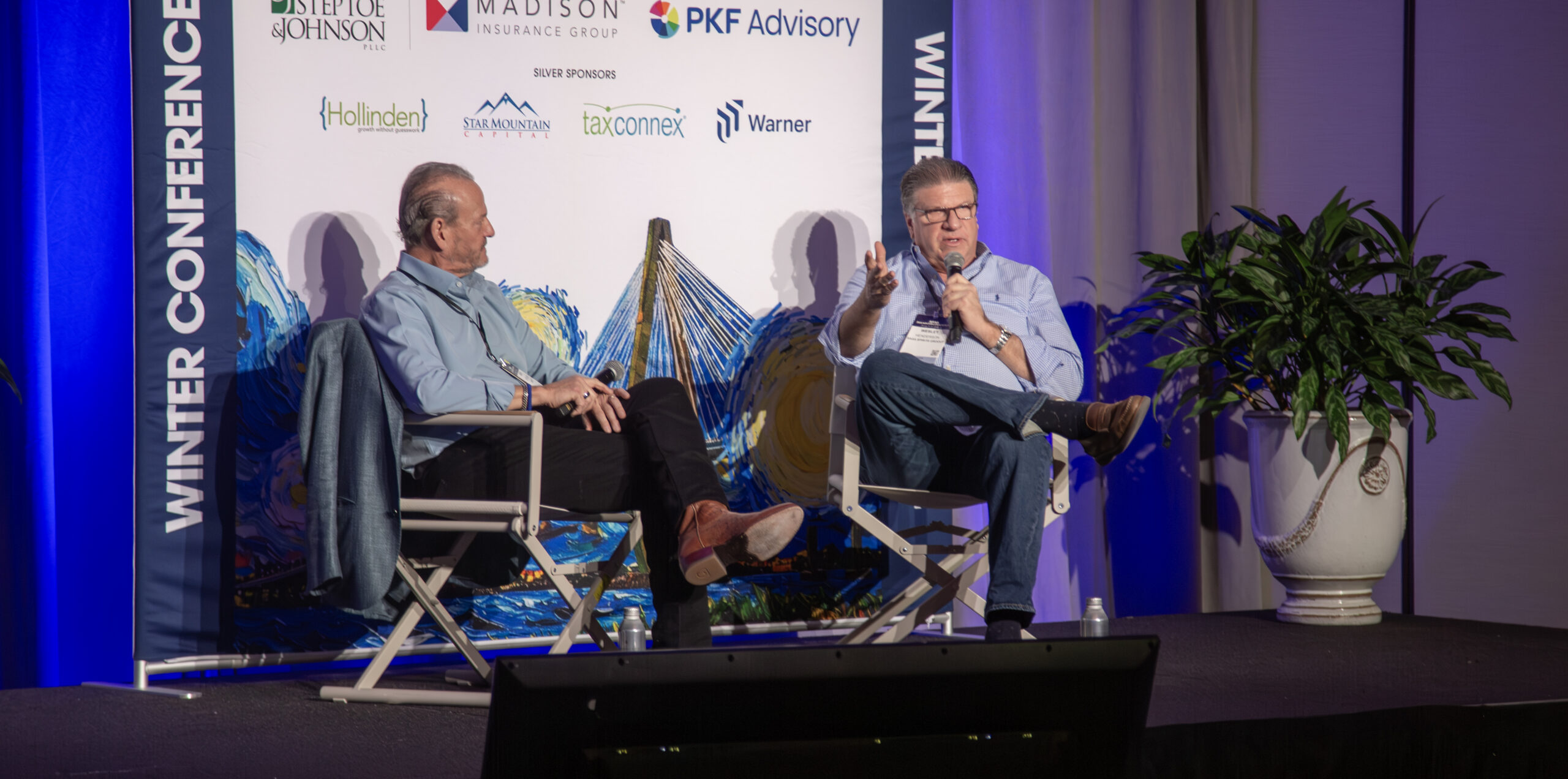
At the AMAA Winter Conference, founders and operators shared hard-earned lessons on selling a business, succession planning, and why the most successful exits honor legacy, culture, and people—not just valuation.
When selling a business one has founded and poured your blood, sweat, and interest into, you’re not just selling a business entity but part of oneself, said Joseph Applebaum, founder of Calm HR.
Wes Henderson, co-founder of Angel’s Envy Bourbon and founder of True Story Whiskey, agreed, pointing out that he still supports Angel’s Envy to this day, even though he no longer has ownership in it. “That’s still my creation. That’s my brand, at the end of the day, because I will forever be associated with it.”
Speakers noted that when family businesses include different generations, it’s important to involve the younger generation in different parts of the business so that they know more than just a single part of the operation. Applebaum explained that the generations working together learn how to succeed from each other. He also noted that it’s not a one-way transaction: there are times the younger generation will generate ideas that might elude more established executives and leadership, allowing the company to benefit from new perspectives.
The panel added that thoughtful succession planning must include clarity, dignity, and opportunity as the business is handed down from the founder.
Additionally, the founder shouldn’t shield the younger generation from the challenges of operating a business, including navigating the experience of failure or even living from paycheck to paycheck while trying to grow a company. It’s a disservice to the younger generation to shield them from those hardships too often, Henderson said. Failure is informative and a key to long-term success.
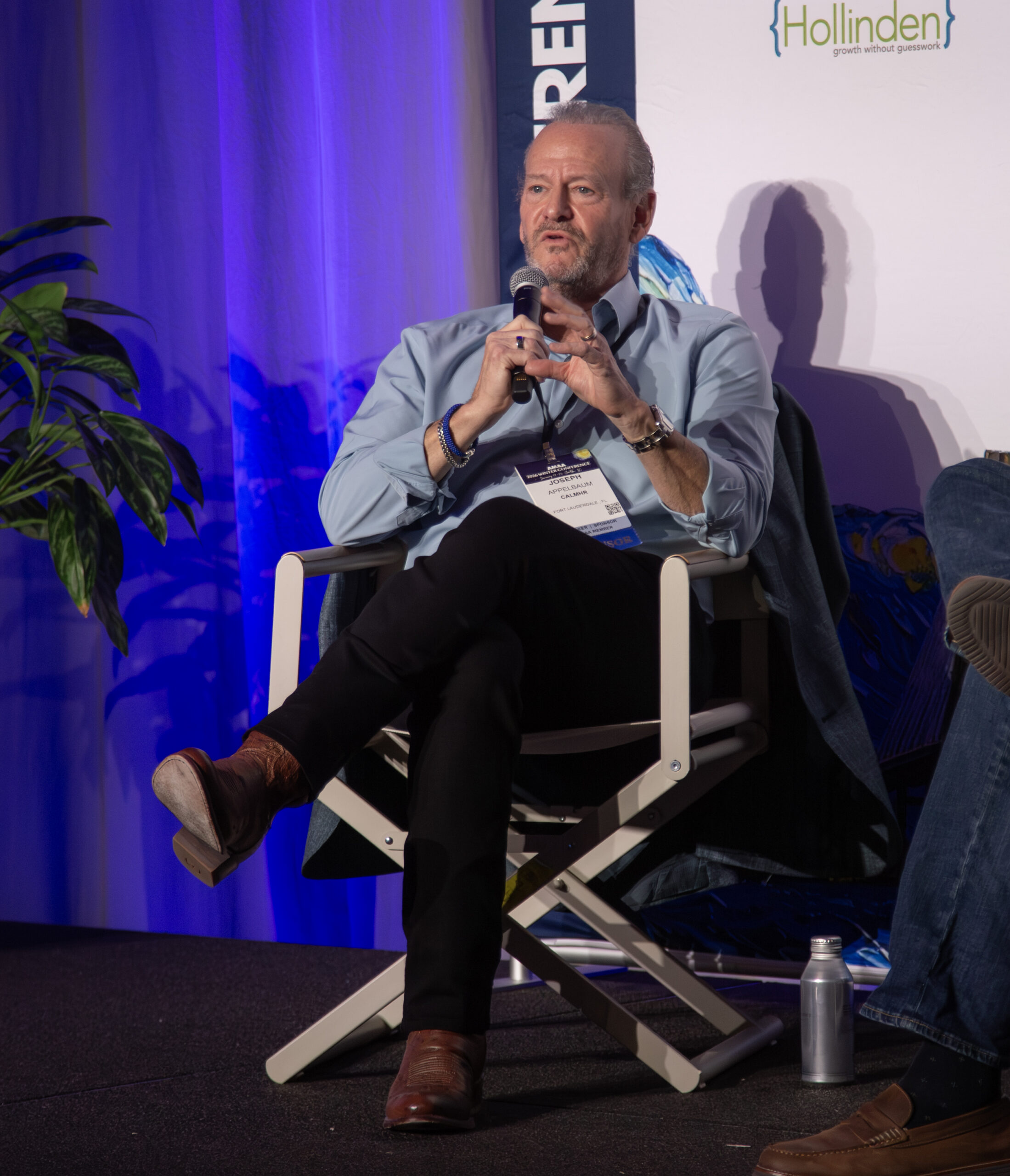
Applebaum added that “everyone getting a medal,” as happened when his boys were in Little League, is not how the country was built. The panelists pointed out that company founders often don’t take any salary or other money out of a business for an extended period of time.
Henderson discussed how, even as a small firm, gorilla marketing at the Kentucky Derby resulted in Angel’s Envy catching the attention of Brown–Foreman, the makers of the much better–known Jack Daniel’s. More marketing success came as a result of the band Tool having Angel’s Envy in its contract, with front man Maynard James Keenan requesting it before concerts. The word carried to Metallica and other bands, expanding the bourbon’s name recognition and embedding it in pop culture.
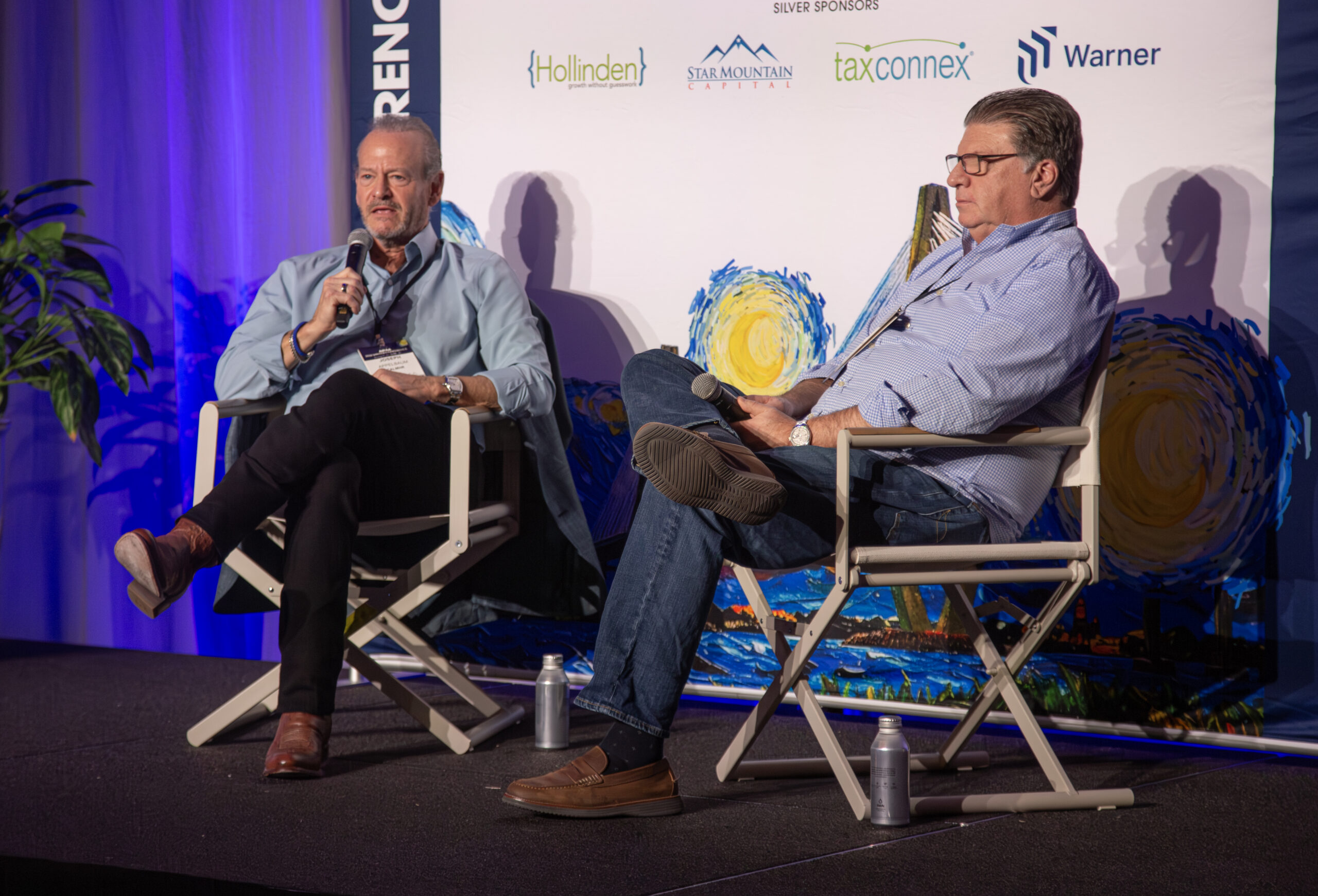
“We’re selling a lifestyle,” Henderson said. “I’ve traveled all around the world and been blessed to drink whiskey with a lot of people. Opening that bottle starts the conversation.”
Bacardi acquired Angel’s Envy in 2015. The integration succeeded because there was mutual respect, clear role definition, and Angel’s Envy owners treated Bacardi executives as extended family rather than as adversaries. Integration succeeds when autonomy and respect are preserved.
Henderson and Applebaum said that both sides in a merger/acquisition need to be malleable, because flexibility is the hidden skill of post-sale leadership. Though there will be changes upon completion of the deal, both sides should look to preserve what made the acquisition target valuable in the first place. The most successful exits honor people, values, and legacy—not just valuation.