



The new year brings a brighter future for merger and acquisition activity, speakers told the audience at the recent AM&AA Winter Conference in Charleston, South Carolina.
During the “M&A Market Update” panel, moderator Graeme Frazier, President of PCR Partners, outlined positive macro-economic indicators—the GDP forecast continues to rise, and predictions indicate good growth for the year, while the probability of a recession continues to decline, and the trade war is fading.
However, the M&A market has a recent history of facing various challenges, including the COVID-19 pandemic. The major challenges for 2026 include continued inflation, the possibility of the Fed making interest rate decisions for political rather than economic reasons, and the possibility of the AI bubble bursting.
The panel indicated that positive indicators more than offset the negative ones, with PCR Partners forecasting a positive period for M&A activity on an industry-wide basis. That activity would build on the final three quarters of 2025, which saw average EBITDA “as high as it’s ever been,” though some sectors were stronger than others. Bigger deals and asset-light businesses tend to get higher multiples.
Frazier added that debt pricing has also dropped, particularly for senior debt, though mezzanine pricing is holding its own.
Bill McCalpin, Chair of the Alliance of M&A Advisors, as well as CEO and founder of Capitalize Network and COO and co-founder of BizForesight, said his outlook is cautiously optimistic, with the industry building on the second half of 2025. The first half of the year had been weak, with the major contributing factors being tariffs as well as trade and DOGE policies.

The B2B business services, construction, and manufacturing sectors finished 2025 on a strong note, but healthcare was weak. McCalpin described the total transaction value as “healthy.”
Volume and prices have also been strong, with some small deals being done at high multiples. However, there are failed deals as well. The main problem with the failed deals is the owner becoming too involved in the transaction, rather than relying on M&A specialists, according to McCalpin. Lack of preparedness and uncommitted sellers are other contributors to failed deals.
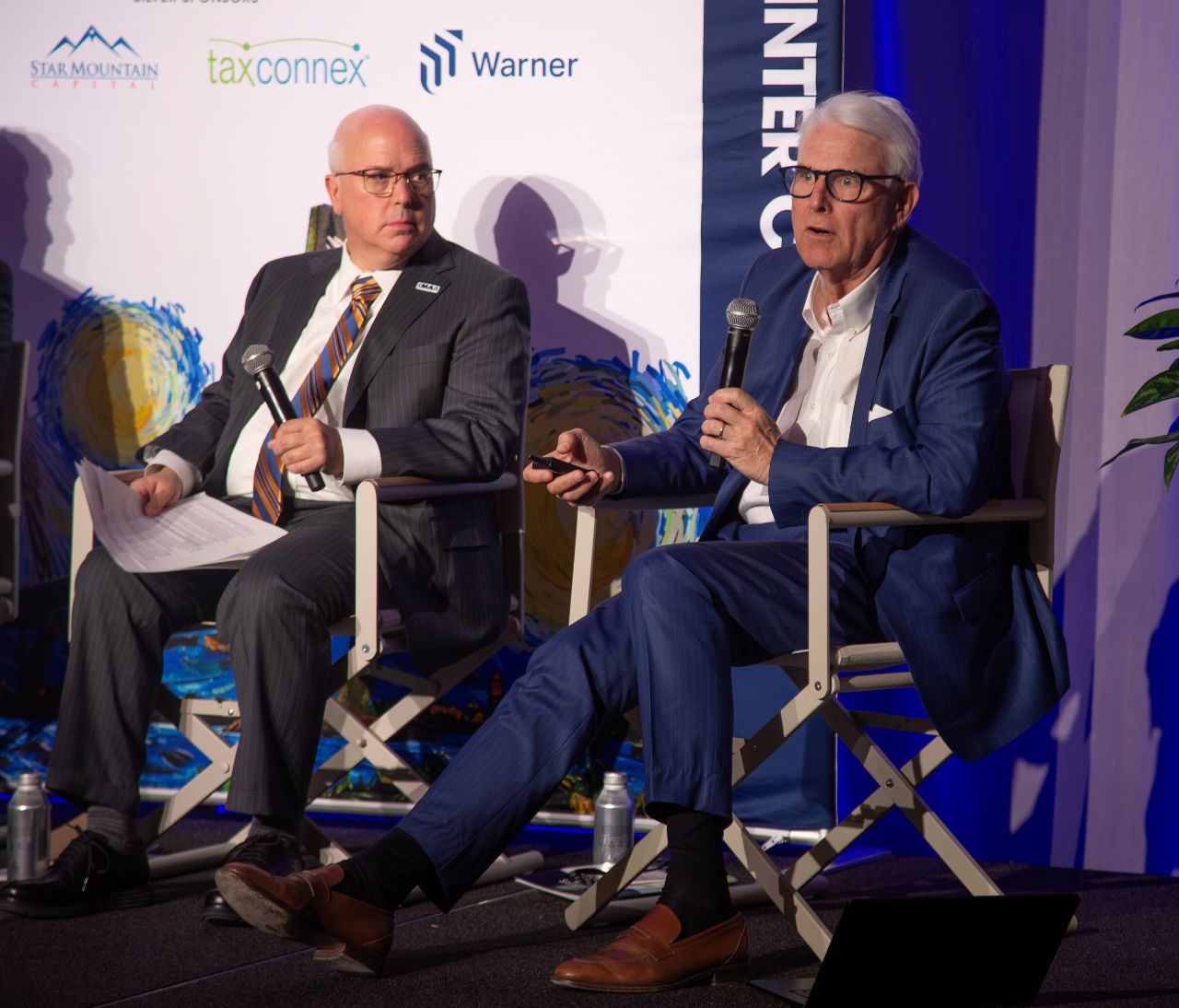
Most deals done in the private equity market today are add-on acquisitions, with private equity portfolio companies acting as strategic buyers, said J.D. White, Managing Principal of New York-based MB Global Partners, LLC.
There is currently a $3.7 million net asset value in private equity funds, with 55% of those companies having more than a four-year hold period. More than a third of portfolio companies with $2 trillion of asset value have an average hold period of seven years. The panel noted that there will be more competition in the market as those companies look to build liquidity.
According to the panel, the most vulnerable businesses are those acquired between 2000 and 2002, when interest rates were at 0, and multiples were high.
Andy Tomat, Managing Director of Four Pillars, Inc., noted that lower middle market, AI-related companies, as well as power companies, are going to drive a great deal of M&A activity, but the healthcare sector will remain weak.
Panelists noted that while the B2B services sector is doing well now, it is also the sector most likely to be disrupted by AI, adding that the technology has had a marked effect on accounting firms.
Unlike the early IPOs that happened in the dot-com sector a couple of decades ago, AI concerns will have later–stage IPOs, including some this year, which will result in capital infusion.
Tomat added that European buyers are more cautious than their U.S. counterparts.
The panel concluded by stressing the importance of advisor guidance and market readiness, while also encouraging the audience to include likely technology disruption in their strategic planning.