


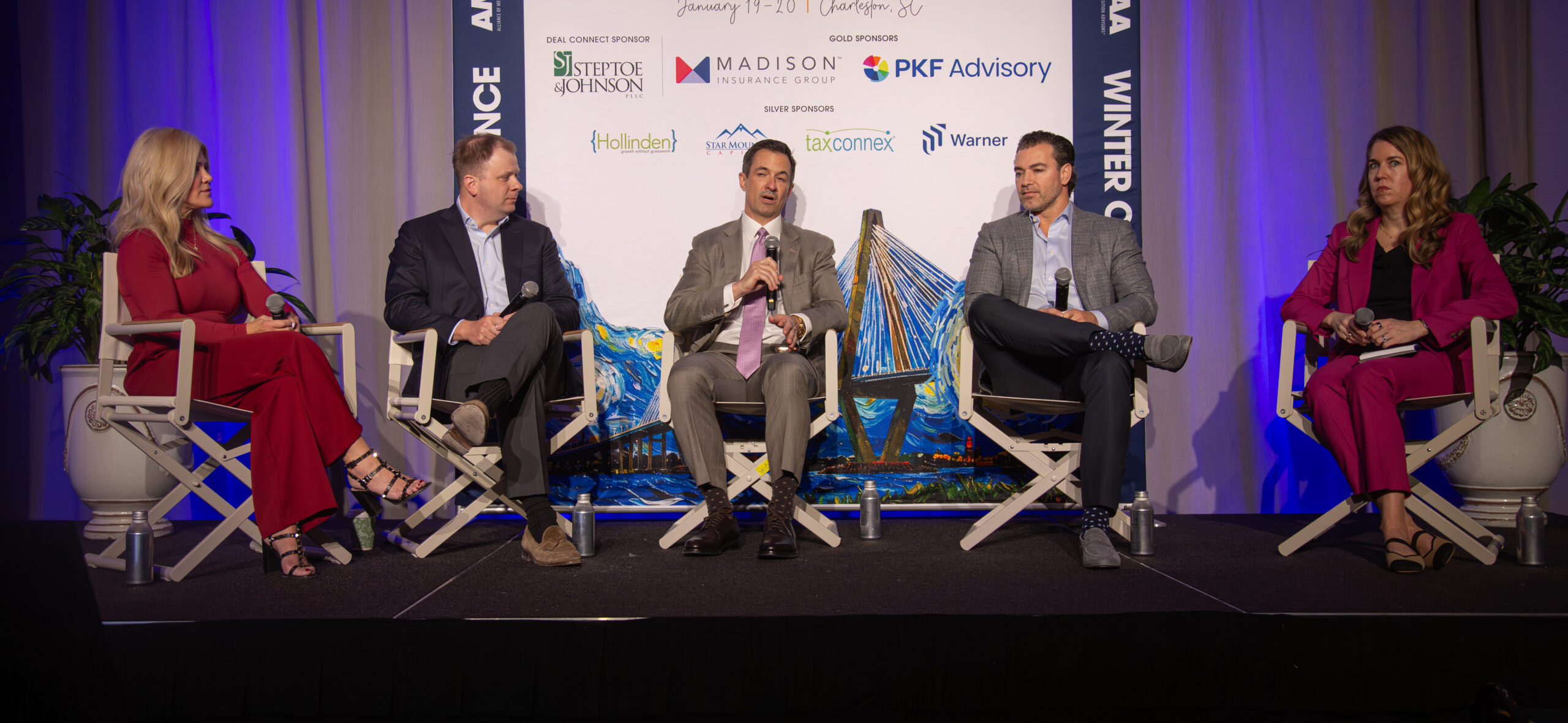
Panelists at the AMAA Winter Conference noted that specialization, anchor investors, and disciplined relationship-building are key as emerging managers navigate a more competitive fundraising environment.
At this year’s AMAA Winter Conference in Charleston, South Carolina, Tuesday’s programming continued with a panel entitled “From Deal-by-Deal to Committed Capital: The State of Emerging Manager Fundraising.” Moderated by Jennifer Marrinucci, VP, Private Equity and M&A Partner for Alliant Insurance, the panel included subject-matter experts from Agellus Capital, LLC; Barings; Latticework Capital Management; and McGuireWoods.
Liz Weindruch, Managing Director at Bearings, noted that there has been a tremendous increase in the independent sponsor space, and the bar for raising an institutional blind pool fund continues to get higher. An independent sponsor needs to complete some deals before being able to raise a fund.
Weindruch recalled that bearings rebounded from a slow first half of 2025 to “blow the doors out” in the second half of the year, including a particularly strong fourth quarter and some very high–quality deals. She suggested that capital flows should start to normalize in 2026.
This year has been particularly busy for deal activity, added Robert Fox, Managing Director – Private Equity for McGuire Woods. There have been numerous deal processes that have launched in the first week of a transaction, with anticipated fundraising for a pair of funds. He added that last year’s deals were much more deliberate, with emerging managers establishing a good track record and ensuring all requirements were in place, and all boxes were checked before beginning fundraising. The previous two years were more challenging.
Will Fletcher, Managing Director at Lattice Work Capital Management, LLC, agreed that 2024, when Lattice Work finalized its second fund, was a more challenging fundraising environment. He suggested that this year should offer a better, though more crowded, fundraising environment.
“Liquidity is king,” Fletcher said.
The speakers agreed that getting a large investor is important in initial fundraising, but the fundraiser needs to be careful not to give up too much to the anchor. Weindruch added that, while some anchors are excellent, not all anchors are created equal.

Co-investment is also important, as it enables limited partners to see general partners in action and helps establish a track record with limited partners. However, Weindruch cautioned that not all limited partners are ready when it comes time to close a deal.
Fox suggested that some limited partners want to see an established track record before they are ready to co-invest, adding that there’s increasing interest in independent sponsor deals and warehousing deals.
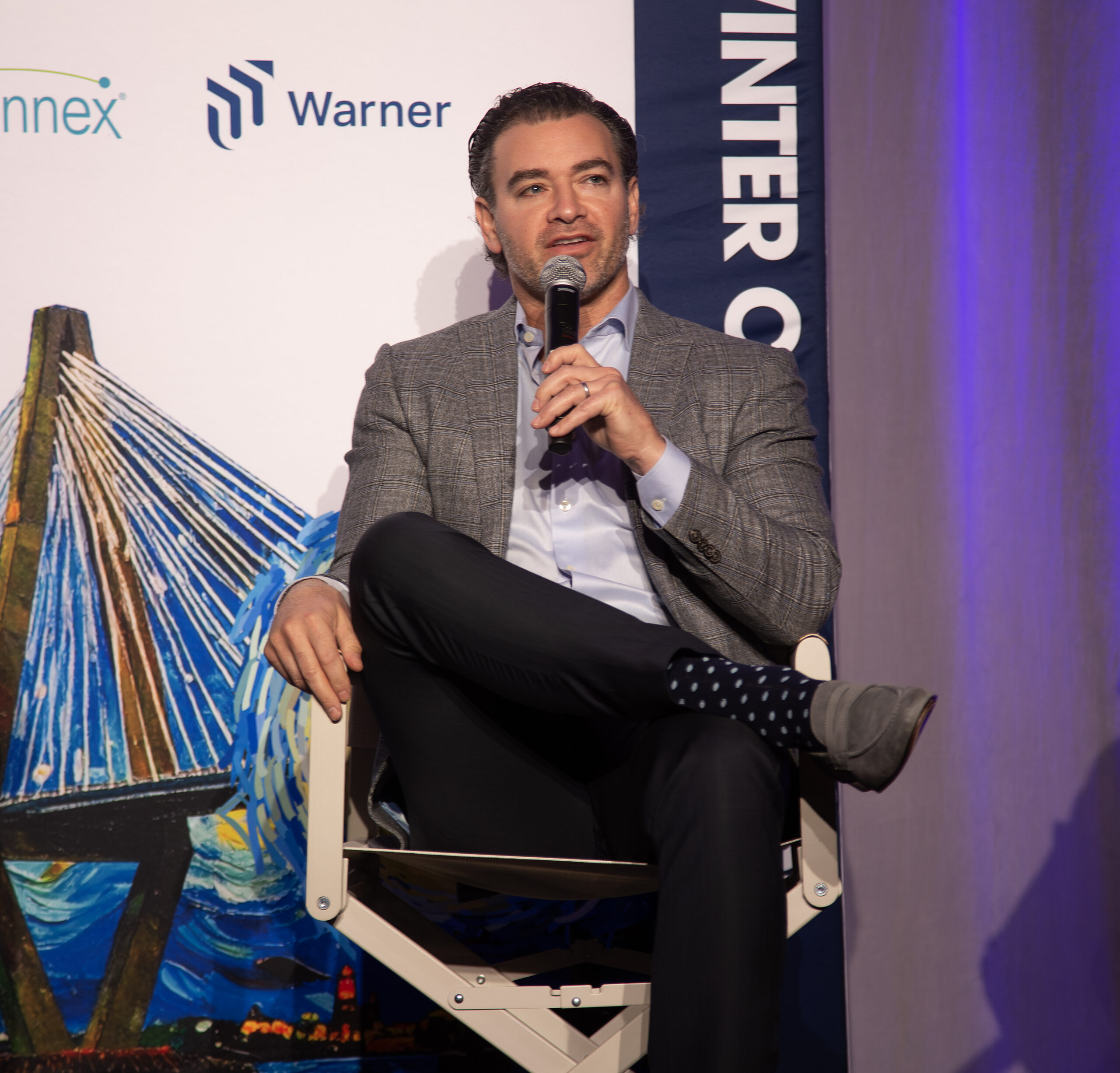
Cultivating relationships is also essential in sourcing deals, Fletcher said, adding that relationships are more important now than a decade ago. Investors will scrutinize a fundraiser’s business development, evaluating technology, database infrastructure to capture data, and other factors before partnering, Smith noted. Deal flow metrics will be reviewed on a periodic basis.
Smith joked that there are more private equity firms than McDonald’s restaurants in this country, so competition is increasing while deal flow is stagnant.
Fletcher added that his firm has learned that specialization is immensely important. “Anything you can do to get an edge is very important.”
“Our LPs would rather pay us a nosebleed multiple to acquire a platform in a sector that we spent a year researching,” Smith said. “Sector specialization is critical to us and to our LPs. The strategy that we pursue is very thesis–driven and getting selectively aggressive on certain sectors and subsectors.”
The generalist strategy of 10-15 years ago no longer works, Weindruch agreed.
The speakers noted that it is important for fundraisers to stick within their niche (i.e., deals in a certain funding range). Actively communicating with potential partners is also critical, even if no deal is imminent. They recommended using various forms of communication, including face-to-face meetings, to stay in touch.